Is the Hometown Love in the Hutongs a Fading Dream or a Timeless Tale?
In the heart of Beijing, where history intertwines with modernity, there lies a unique cultural phenomenon known as "hutong marriage" or "hutong yin yuan" in Chinese. This term encapsulates the romantic tales of couples who met and fell in love within the narrow alleys and ancient courtyards of the city's traditional neighborhoods. As the world continues to evolve, one might wonder: is the hutong yin yuan a fading dream, or is it a timeless tale that continues to captivate the hearts of many?
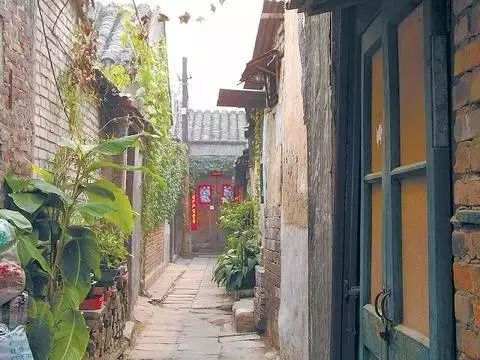
The essence of hutong yin yuan lies in the intimate and communal nature of life within the hutongs. These narrow, winding alleys, lined with ancient buildings and traditional Chinese architecture, have been the birthplace of countless love stories. In the past, residents often knew each other well, and social interactions were frequent. This close-knit community environment provided the perfect setting for young hearts to beat in unison.
The concept of hutong yin yuan is deeply rooted in the cultural values of Chinese society. It reflects the importance of family, tradition, and community. Parents often played a significant role in arranging marriages, and the selection of a suitable partner was based on factors such as family background, education, and character. However, as the saying goes, "love is blind," and many couples defied societal expectations to pursue their own happiness.
One of the most famous examples of hutong yin yuan is the story of Liang Shuming and Wang Yanyun. They were childhood sweethearts who fell in love during their teenage years in the 1930s. Despite facing opposition from their families, they married and lived happily together in the hutongs until their old age. Their love story became a symbol of the enduring power of true love.
As the years passed, the face of Beijing began to change. The city's rapid development led to the demolition of many historic buildings and the transformation of the hutongs into modern residential complexes. This shift has raised concerns about the survival of the hutong yin yuan culture.
Some argue that the disappearance of the traditional hutongs means the end of hutong yin yuan. The intimate community life that once thrived in these alleys is now a thing of the past. With fewer opportunities for social interaction, it becomes increasingly difficult for young people to meet and fall in love in the same way their ancestors did.
However, others believe that the essence of hutong yin yuan lies not in the physical environment but in the values and attitudes that shape human relationships. They argue that the spirit of the hutong yin yuan can still be found in modern Beijing, albeit in a different form. Couples today may not meet in the same narrow alleys, but they can still share the same values of family, tradition, and community.
In conclusion, the question of whether the hutong yin yuan is a fading dream or a timeless tale remains a subject of debate. While the traditional setting of the hutongs may be changing, the spirit of the hutong yin yuan continues to inspire love stories across generations. Whether it thrives in the modern world or evolves into a new form, the essence of the hutong yin yuan will always remain a cherished part of Beijing's cultural heritage.