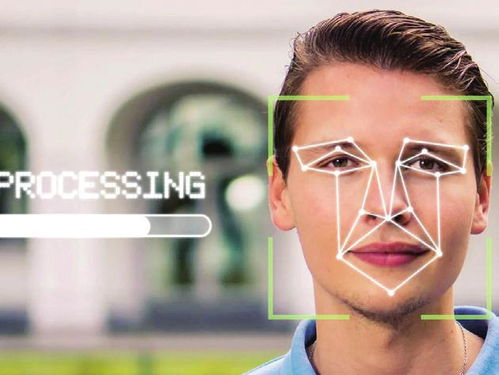
随着人工智能技术的飞速发展,面部识别技术逐渐成为我们生活中不可或缺的一部分,从智能手机解锁到公共场所的安全监控,AI脸无处不在,近期有关AI脸引发生理性厌恶的现象引起了广泛关注,本文将探讨这一现象背后的原因,以及我们在享受AI便利的同时,如何处理好与AI脸的关系。
中文:
在日常生活中,我们越来越频繁地接触到AI脸,无论是通过社交媒体的滤镜,还是通过手机的人脸解锁功能,AI脸已经渗透到了我们的日常生活中,随着AI技术的发展,一些人对AI脸产生了生理性厌恶,这种厌恶感并非源于AI脸本身,而是源于人们对AI脸背后技术的担忧。
AI脸可能侵犯个人隐私,在人脸识别技术广泛应用的同时,也引发了对个人隐私泄露的担忧,一旦个人隐私被泄露,将给我们的生活带来极大的不便和安全隐患。
AI脸可能存在误识别的风险,在现实生活中,由于光照、角度等因素的影响,AI脸可能无法准确识别真实的人脸,导致误判,这种误判可能会对个人名誉、权益造成损害。
AI脸可能加剧社会不平等,在AI脸技术中,数据收集和算法优化往往需要大量的人力物力,这种资源分配的不均可能导致社会不平等现象的加剧。
面对这些担忧,我们不禁要问:我们对AI脸产生生理性厌恶了吗?
英文:
As artificial intelligence technology advances, facial recognition technology has become an indispensable part of our daily lives. From unlocking smartphones to public security surveillance, AI face is everywhere. However, recently, there has been growing concern about the phenomenon of physiological aversion to AI face. This article will explore the reasons behind this phenomenon and how we can handle the relationship with AI face while enjoying the conveniences it brings.
Firstly, AI face may infringe on personal privacy. With the widespread application of facial recognition technology, concerns about the leakage of personal privacy have been raised. Once personal privacy is leaked, it may bring great inconvenience and security risks to our lives.
Secondly, AI face may have the risk of misrecognition. In real life, due to factors such as lighting and angles, AI face may not be able to accurately identify real faces, leading to misjudgment. This misjudgment may cause damage to personal reputation and rights.
Furthermore, AI face may exacerbate social inequality. In the process of data collection and algorithm optimization in AI face technology, a large amount of human and material resources are required. This uneven distribution of resources may lead to the intensification of social inequality.
In the face of these concerns, we can't help but ask: Are we becoming physically averse to AI face?
在享受AI带来的便利的同时,我们应关注其伦理边界,确保技术的发展不会损害人类的利益,我们才能在科技与伦理之间找到平衡点,共同迎接智能时代的到来。